
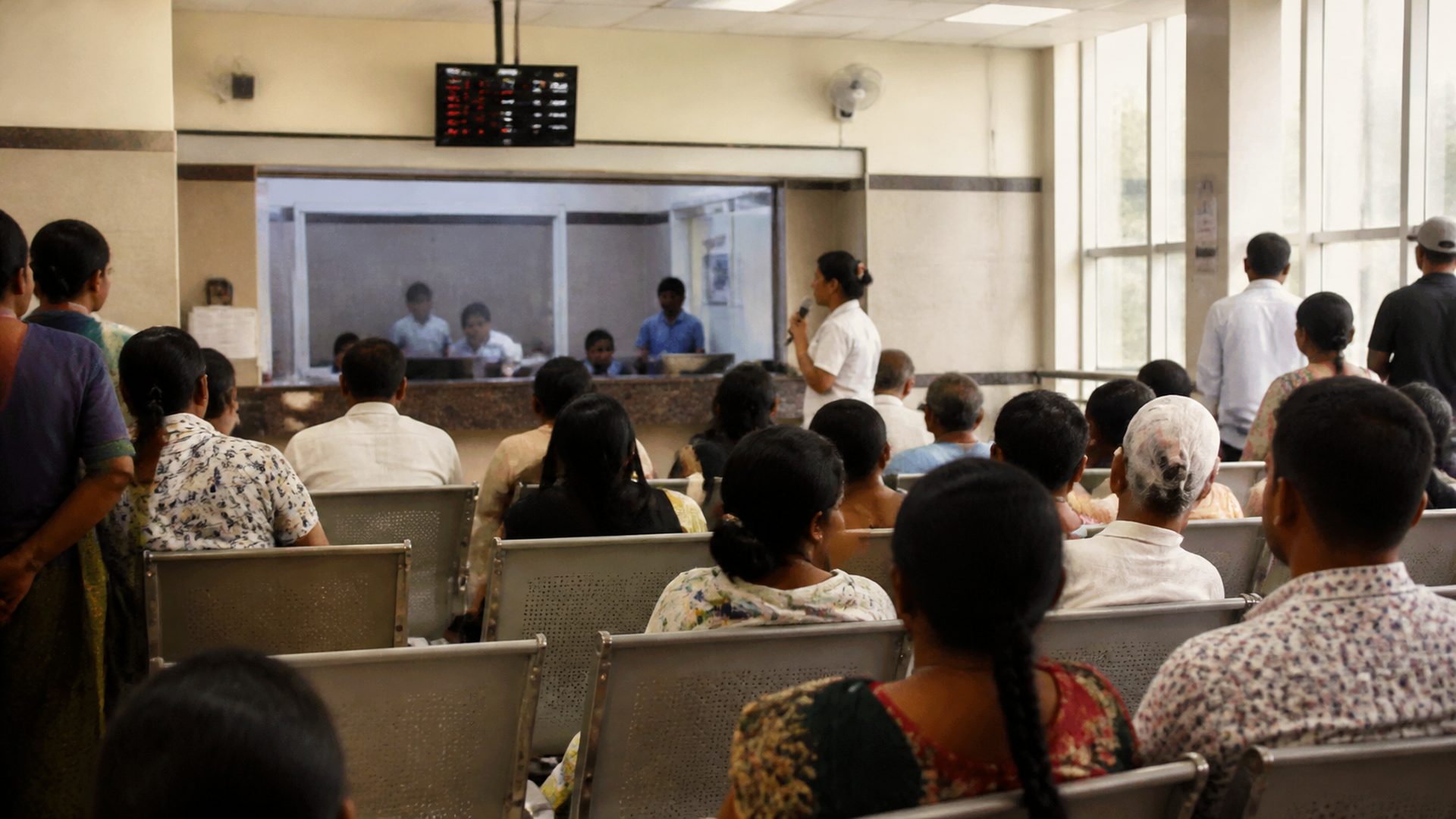
Paper registers and a billing PC
The OPD register, the admission book, the stock ledger and a standalone billing program that does not know the ward exists.
An honest table. Where a generic HMIS does something, we say so.
Three starting points we meet most often — what changes on day one in each.
The OPD register, the admission book, the stock ledger and a standalone billing program that does not know the ward exists.

Beds in Excel, the duty roster in a group, results photographed and forwarded, the accountant re-keying every bill into Tally.
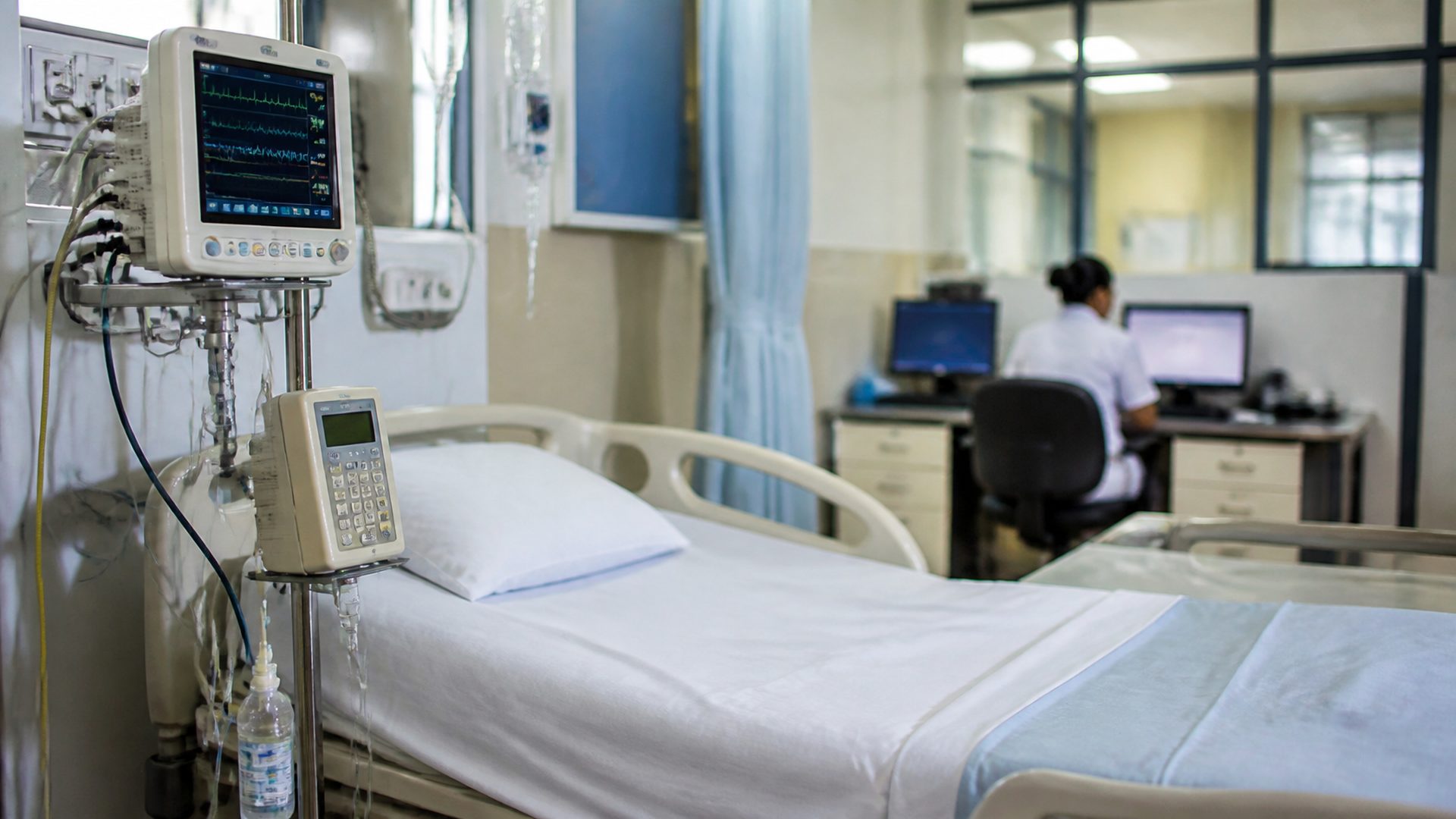
Billing and OPD on one product, the lab on another, ABDM and the e-invoice bolted on, a per-user bill that grows each year.
Where a typical HMIS does something, we say so. Where it does not, we say that too.
 Medspire HMIS
"A typical HMIS" describes mid-market products sold in India in our experience, not any one vendor. Ask them to show you the row on their demo; we will show you ours on the demo hospital.

Most hospitals go live over one weekend. This is the plan we have run before.
Including us. Print the list and take it to every demo.
Ours: yes — patients, visits, bills and documents as CSV, FHIR and PDF, any time, no charge; our copies deleted 90 days after a written request.
Ours: ABHA, HIP, HIU, the consent manager and FHIR R4 are built in and on the demo hospital — not a number captured on the registration form.
Ours: go-live once, by bed count. No per-user, per-module, per-interface or per-site charges on Hospital and Group plans.
Ours: 3,500+ automated tests and a browser walk of every screen on every release, published in the release notes.
Ours: Azure India regions, your own subscription or your own server — same build, same price, your choice, changeable later.
Ours: pick any story on this site — wrong blood in the tube, the duplicate patient, the expired stock — and we open the screen it produced.
Usually for one of three reasons: the lab, pharmacy or quality module is a separate product that does not talk to billing; ABDM and the GST e-invoice were bolted on; or the per-user, per-module invoice has grown past what the hospital pays its nurses. Read the ward stories first — if none of them has happened in your hospital, you may not need to change.
Patient demographics, doctor and tariff masters, stock and open bills — yes, from spreadsheets or from most existing systems, as part of go-live. Old clinical notes are usually brought over as PDFs attached to the patient rather than re-keyed.
It is not. Both systems run in parallel for a day, the old one is made read-only on Sunday, and Monday's first patient is registered on Medspire. The old system stays readable for as long as you keep it.
It describes a typical mid-market HMIS sold in India in our experience, not any one product. Where a vendor does better than the column says, ask them to show it on their demo — that is what the questions below are for.
Yes. Hospital and Group plans run on your Azure or AWS subscription or on a server in the hospital, from the same build, at the same price; cloud tenants stay in Microsoft Azure's India regions.
Go-live — the walk, the import, the training and the first month on the floor — is quoted once, up front, by bed count. There are no per-interface charges for the analysers, modalities, SMS, WhatsApp, the IRP or the NHA.